
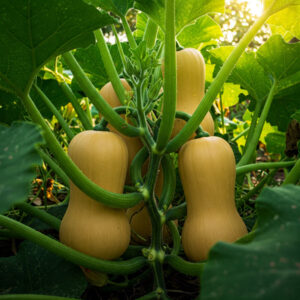
The Ultimate Guide to Growing Winter Squash in Aquaponics (Butternut, Acorn & More!)
Growing winter squash—like butternut and acorn—using aquaponics isn’t just a cool science experiment; it’s a game-changer for sustainable gardening. These nutrient-packed veggies are known for their rich flavor, long shelf life, and ability to thrive with the right setup. Plus, let’s be honest—nothing beats the satisfaction of growing your own food while fish do half the work for you!
In this guide, you’ll learn everything from why winter squash is a fantastic choice for aquaponics to how to grow, maintain, and even monetize your harvest. Whether you’re a seasoned aquaponics enthusiast or just dipping your toes into the water (pun totally intended), you’re in the right place.
See our “Top Fruiting Vegetable Scorecard” below !!
Why Grow Winter Squash in Aquaponics?
1. Space-Saving Magic with Trellises
Winter squash vines can spread like a toddler’s mess—fast and everywhere. But with aquaponics, you can train them to grow up instead of out using trellises or netting. This keeps your system tidy and maximizes space for other plants.
2. Nutritional Powerhouses
These aren’t just tasty vegetables; they’re little health bombs packed with vitamins A, B, and C, along with potassium, magnesium, and fiber. The orange and yellow hues? That’s beta-carotene working its magic—great for your eyes, skin, and immune system.
3. High Yield & Long Storage Life
A well-maintained squash plant can produce multiple fruits per season, and once harvested, these beauties store for months without losing flavor. That means fresh squash soup in the middle of winter!
4. Perfect Companion Plants
Winter squash can actually help your aquaponics system. Their strong roots stabilize the growing medium, while their broad leaves provide shade to keep the root zone cool and moist. Teamwork makes the dream work!
How to Grow Winter Squash in Aquaponics
1. Choosing the Right Aquaponics System
Winter squash works best in media bed systems with expanded clay pebbles or gravel. Unlike NFT (Nutrient Film Technique) or DWC (Deep Water Culture), media beds give the heavy root systems of squash plants the stability they need.
2. Light Requirements
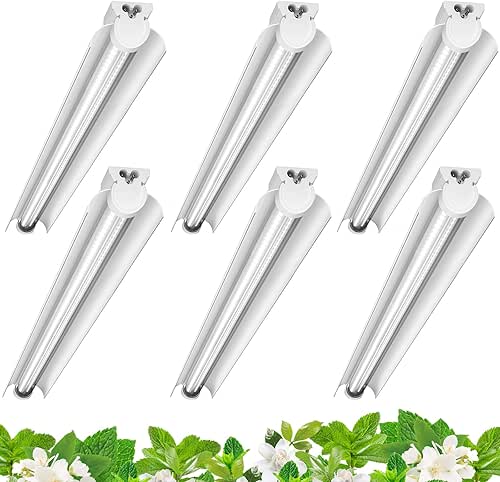
Squash plants love the sun—aim for 6–8 hours of direct sunlight daily. Growing indoors? Full-spectrum grow lights are your best friend. Just keep them close enough to be effective but not so close that you turn your squash into roasted veggies before they even grow.
3. Nutrients & pH Balance
Fish waste provides a great nutrient base, but squash are heavy feeders. Maintain:
✔ pH: 6.8–7.0
✔ Nutrients: Ensure proper fish-to-plant balance and consider supplementing with potassium or iron if needed.
4. Temperature & Humidity
Keep things warm! Winter squash thrive between 70–85°F (21–29°C) during the day. If the temperatures drop below 60°F (15.5°C) at night for too long, they’ll throw a tantrum and stop growing properly. Greenhouses or hoop houses can help in colder climates.
5. Trellising & Support
Squash vines grow aggressively, and the fruits can get heavy. Install a sturdy trellis or netting early on, and use soft ties (like strips of fabric) to guide the vines. This improves airflow, reduces disease risk, and keeps your system from turning into a tangled mess.
Planting & Propagation
1. Choosing Seeds
- Butternut Squash – Sweet, nutty flavor with smooth tan skin.
- Acorn Squash – Dark green, ridged skin with a rich, earthy taste.
Opt for organic, non-GMO, and disease-resistant varieties when possible.
2. Starting Seeds
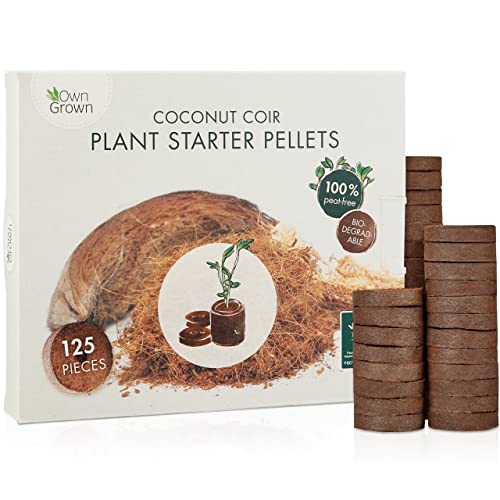
- Use biodegradable pots or rockwool cubes for seed starting.
- Keep temperatures around 70–80°F (21–27°C) for best germination.
- Expect sprouting within 7–14 days.
3. Transplanting
Once seedlings develop two or three true leaves, move them to the aquaponics system.
- For horizontal growth → Space 18–24 inches apart.
- For vertical growth → 12 inches apart is enough.
Maintaining Healthy Squash Plants
1. Pruning & Training
- Trim excess leaves to improve airflow and prevent disease.
- Remove side shoots if you want to focus energy on fruit production.
- Check for pests regularly—catching problems early is key.
2. Pollination (The Love Story of Plants)
Winter squash need pollination to bear fruit.
- Outdoor Systems: Bees and insects will handle this naturally.
- Indoor Systems: You’ll have to play matchmaker. Use a small brush to transfer pollen from male flowers (thin stem, no bulge) to female flowers (tiny squash at the base).
3. Pest & Disease Prevention
- Powdery Mildew → Ensure you have good air circulation and avoid high humidity.
- Squash Vine Borers → Look for tiny holes in stems and remove affected parts.
- Aphids & Whiteflies → Release ladybugs or use organic insecticidal soaps.
Harvesting & Storing Your Squash
1. Knowing When to Harvest
- Butternut Squash: Rind turns deep tan, and the skin feels firm.
- Acorn Squash: Shell is dark green, and the ground spot turns orange/yellow.
Cut squash off with a short stem attached—this helps prolong storage.
2. Curing for Long-Term Storage
Let your squash sit in a warm, dry area (80°F for 1–2 weeks). This hardens the rind, locking in freshness.
3. Storing & Cooking Ideas
- Store in a cool, dark space (50–60°F) for up to several months.
- Try making butternut squash soup, stuffed acorn squash, or roasted squash for freezing!
See our “Top Fruiting Vegetable Scorecard” below !!
Final Thoughts: Ready to Grow Your Own Aquaponic Squash?
Winter squash in aquaponics is a win-win—you get high yields, long-lasting produce, and a sustainable growing method. With the right setup, proper nutrients, and a little love, you’ll be harvesting delicious, homegrown squash in no time.
Download our free
Ultimate Guide To Aquaponics
Cultivating Sustainable Food Systems at Home
Tools & Goodies to Help Your Winter Squash Thrive
Get your hands on these aquaponics must-haves to grow winter squash like a boss:
-
Winter Squash Seed Collection
-
pH Testing Kit: Keep your system balanced like a pro.
-
LED Grow Lights: Keep your winter squash basking in light, even on cloudy days.
2 ft. long
3 ft. long
4ft. long
Surge Protector with 7-Day Digital Timer
-
-
Seed Starting Trays and Starter cubes
-
-
pH Testing Kits: Because happy plants = balanced pH.
-
Aquaponics Starter Kit: Perfect for newbies testing the waters (pun intended).
Indoor Aquaponic Garden – 3 Gallon Self Watering, Mess-Free Planter
3-gallon Aquaponic Fish Tank
AquaSprouts Aquaponics Garden
-






Download our free
Ultimate Guide To Aquaponics
Cultivating Sustainable Food Systems at Home
Top Fruiting Vegetable Scorecard
Plant Name: Winter Squash (e.g., Butternut, Acorn)
| Criteria | Score (1-5) | Notes |
|---|---|---|
| Size (Height x Width) | – | 12-24” H x 36-48” W |
| Spacing (inches) | – | 24-36” between plants |
| Time to Maturity (days) | – | 80-120 days |
| Water Requirement | 4 | Requires consistent moisture but is somewhat drought tolerant |
| pH Range | 3 | 5.8 – 7.0 (ideal around 6.0 – 6.5) |
| Light Requirement | 5 | Full sun (6-8+ hours) |
| Ease of Growth | 3 | Requires space, support, and regular nutrient balance |
| Needs Supporting Structure? | Yes | Vining varieties require trellising for better space management |
| Nutrient Requirements | 4 | High in nitrogen for vines, phosphorus & potassium for fruiting |
| Fish Compatibility | – | Best with Tilapia, Catfish, and Koi due to their tolerance to the required pH and nutrient levels |
Overall Score: 19/25
Pros:
- ✅ High yield per plant
✅ Stores well after harvest
✅ Thrives in warm conditions
✅ Compatible with common aquaponic fish
Cons:
- ❌ Long growing season
❌ Requires ample space or vertical support
❌ Can be prone to powdery mildew in humid conditions
Best Suited For:
- ✔ Media Bed Aquaponics (Best for root support)
✔ Hybrid Aquaponics Systems (Combination of media beds and floating raft)
✔ Greenhouse Aquaponics (For season extension)
Additional Notes:
- Pollination is required. Hand pollination may be necessary in controlled aquaponic environments.
- Prune excess vines to direct energy into fruiting rather than vegetative growth.
- Monitor nutrient levels closely, as fruiting plants require increased phosphorus and potassium during development.
Here’s to bountiful harvests, sustainable gardening, and mouthwatering homegrown Summer Squash! 🌿
Happy growing! 🚀🌿🐟