
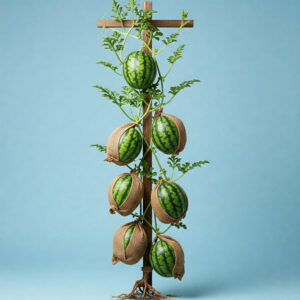
How to Grow Watermelon in Aquaponics
(Without Drowning or Getting Bit by a Fish)
How to Grow Watermelon using Aquaponics
AKA: Turning Fish Poop into Fruit Juice—Nature’s Weirdest Magic Trick
Growing watermelon (yep, that juicy summer MVP known as Citrullus lanatus if you’re feelin’ fancy) in an aquaponics setup is like hosting the ultimate garden party—where fish, plants, and bacteria all pitch in, and no one forgets the snacks. Not only do you get to harvest one of the most refreshing fruits known to humankind, but you also get eco-friendly bragging rights. It’s like being a gardener and an environmental superhero—minus the cape (unless you’re into that).
So, whether you’re a total newbie or someone who talks to your plants like they’re your coworkers, this guide’s got the dirt—well, not literal dirt—on how to grow watermelon like a pro in your aquaponics system.
See our “Top Fruiting Vegetable Scorecard” below !!
Why Watermelon Totally Deserves a Spot in Your Aquaponics Lineup
1. Taste That’ll Ruin Store-Bought Forever
Let’s be real: once you bite into a homegrown aquaponic watermelon, you’ll start side-eyeing supermarket melons like they betrayed you. Grown with clean water and all-natural fish nutrients, these bad boys are sweeter, juicier, and fresher than your average melon. No weird chemicals, no cardboard taste—just pure summertime bliss.
2. Save Water (and Your Conscience)
Despite their name, watermelons are surprisingly chill with less water—if you’re using aquaponics. Unlike traditional gardening, aquaponics recycles water between the fish tank and grow bed, so nothing goes to waste. It’s like having your own personal eco-cycle… but tastier.
3. Nutrient Buffet, Courtesy of Fish Pee
Okay, maybe don’t advertise this at dinner parties, but it’s true: fish waste gets broken down into plant food by helpful bacteria. Your watermelon plants soak up those nutrients like they’re sipping smoothies at a spa, resulting in fast growth and robust vines. Nature is weird. But awesome.
4. So Many Watermelon Varieties, So Little Patio Space
Don’t worry if you’re short on space or gardening in a closet (no judgment, urban gardeners). There are compact or “bush-type” watermelons that thrive in vertical or confined spaces. Choose a variety that fits your vibe and your space. Tiny melons, big flavor.
How to Set Up Your Aquaponics System for Watermelon Glory
Choose Your Fighter: System Types
🪨 Media-Based (Beginner-Friendly):
Fill a grow bed with clay pellets or lava rock. Strong support + good filtration = happy vines.
🌊 Deep Water Culture (DWC):
Your plants float on a raft like they’re on vacation. Just be sure to give your vines a trellis or net—they’re not great swimmers.
💧 Nutrient Film Technique (NFT):
Usually best for lightweight plants, but if you must go this route with watermelon, bring reinforcements. We’re talking full vine support systems. Think “grape arbor but for melons.”
Environmental TLC: What Watermelons Love
- Temperature: 70–85°F (21–29°C). Like a beach day, but for plants.
- Lighting: 8–10 hours daily. Sun worshippers, these guys. Get grow lights if you’re working indoors.
- pH Level: Keep it between 5.8 and 6.5—just acidic enough for nutrient absorption, but not lemon-face sour.
Fish & Flowers: Your Dynamic Duo
🐟 Fish Options: Tilapia, koi, trout, and goldfish all play nicely in this setup. Just make sure they enjoy the same temp range as your melons. Nobody wants a grumpy fish.
🐝 Pollination Tips: Outdoors? Let the bees do their thing. Indoors? You’re the bee now. Use a soft brush to hand-pollinate from male to female flowers. Buzz noises optional but encouraged.
Watermelon Plant Care 101 (Or: How Not to Kill Your Vines)
1. Nutrient Check-Ups
Keep tabs on ammonia, nitrite, nitrate, and pH like they’re your plant’s vital signs. Spot yellowing leaves or slow growth? Adjust your fish feed or add something natural like seaweed extract.
2. Prune Like a Pro
These vines will take over your life if you let them. Prune side shoots and train the vines vertically using a trellis. For heavy fruit, consider melon slings—like hammocks for your harvest.
3. Bugs Be Gone
Pests: Aphids, spider mites, and whiteflies might RSVP uninvited. Try neem oil or call in the good guys (ladybugs and lacewings).
Disease: Watch for powdery mildew. Improve airflow, reduce humidity, and remove sick leaves like a garden doctor.
How to Tell When It’s Ripe (AKA: The Melon Whisperer’s Guide)
- Check for a creamy yellow patch on the underside where the watermelon sat on the ground. That’s a good sign.
- A dry tendril near the stem? It’s not dead—it’s telling you the melon is done growing.
- Tap it. If it sounds like someone knocking on a hollow drum, congrats—you’ve got yourself a ripe one.
- Cut it off cleanly with sharp shears. You worked too hard for a messy harvest.
📣 Ready to Start Growing?
Feeling inspired to become a Watermelon superstar? 🌱
Here’s to bountiful harvests, sustainable gardening, and mouthwatering homegrown Watermelon! 🌿
Tools & Goodies to Help Your Watermelon Thrive
Get your hands on these aquaponics must-haves to grow Watermelons like a boss:
-
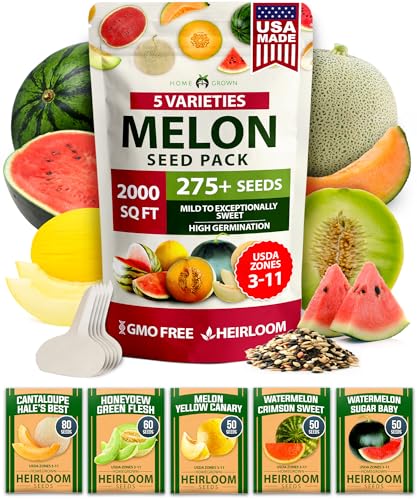
Sugar Baby Watermelon Seeds
-
Seeds for Planting Crimson Sweet Watermelons
-
5 Melon Fruit Seeds Variety Pack – Watermelon, Melon, Cantaloupe, Sugar Baby Watermelon, Honeydew Fruit Seeds for Planting
-
pH Testing Kit: Keep your system balanced like a pro.
-
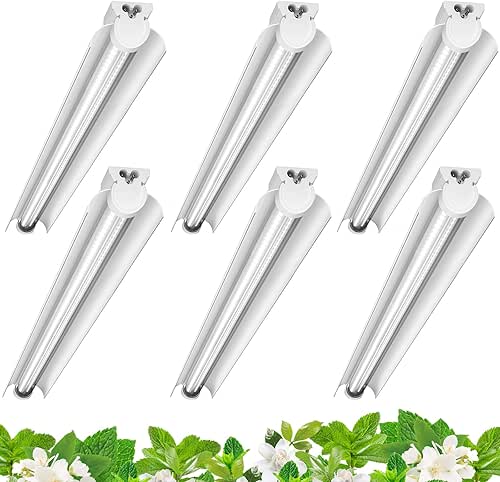
LED Grow Lights: Keep your Watermelon basking in light, even on cloudy days.
2 ft. long
3 ft. long
4ft. long
Surge Protector with 7-Day Digital Timer
-
-
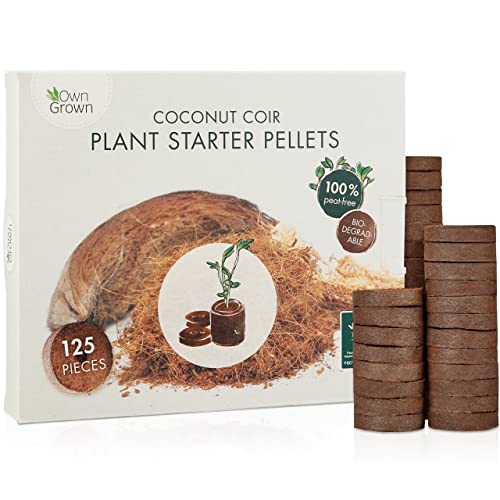
Seed Starting Trays and Starter Cubes
-
-
pH Testing Kits: Because Happy plants = Balanced pH.
-
Aquaponics Starter Kit: This is Perfect for newbies testing the waters (pun intended).
Indoor Aquaponic Garden – 3 Gallon Self-Watering, Mess-Free Planter
3-gallon Aquaponic Fish Tank
AquaSprouts Aquaponics Garden
-
-
Melon Hammock Watermelon Nets








Download our free
Ultimate Guide To Aquaponics
Cultivating Sustainable Food Systems at Home
Top Fruiting Vegetable Scorecard
Plant Name: Watermelon (Citrullus lanatus)
| Criteria | Score (1-5) | Notes |
|---|---|---|
| Size (Height x Width) | 2 | Vines 6-20 ft long x 3-6 ft wide; space-intensive, challenging in aquaponics. |
| Spacing (inches) | 1 | 36-72 in between plants; very wide spacing limits density significantly. |
| Time to Maturity (days) | 2 | 70-100 days; slow for aquaponics, delaying harvest compared to other crops. |
| Water Requirement | 4 | High; loves consistent moisture, which aquaponics can provide effectively. |
| pH Range | 4 | 6.0-7.0; fits well within standard aquaponic pH range. |
| Light Requirement | 4 | Full sun (8-10 hrs); achievable with good lighting but demands intensity. |
| Ease of Growth | 3 | Moderate; needs care for pests (e.g., aphids) and pollination management. |
| Needs Supporting Structure | Yes | Vines require trellising or support, especially with fruit weight. |
| Nutrient Requirements | 4 | High; needs nitrogen, phosphorus, and potassium, well-supplied in aquaponics. |
| Fish Compatibility | 4 | Tilapia, catfish (6.0-7.0 pH, 70-85°F); warm-water fish match watermelon’s preferences. |
Overall Score: 28/50
Pros:
• High water and nutrient needs are met easily in aquaponics.
• Produces large, high-value fruit with proper care.
•Compatible with common warm-water fish like tilapia.
Cons:
• Extensive space requirements (vines and spacing) make it impractical for small systems.
• Long maturity (70-100 days) slows production cycles.
•Heavy fruit may strain support structures in aquaponic setups.
Best Suited For:
• Large-scale, media-based aquaponic systems with vertical trellising and ample space.
• Growers with patience and resources for high-value, novelty crops.
Additional Notes:
Watermelons thrive in warm conditions (75-85°F), aligning with tilapia or catfish systems, but their sprawling vines and long growth period make them less practical for most aquaponic setups. Smaller varieties (e.g., bush or mini watermelons) might score slightly higher for size and spacing. Pollination may require manual assistance indoors.
Final Thoughts: From Fish Tank to Fruit Bowl
Growing watermelon in aquaponics is basically nature’s weirdest science experiment—with delicious results. You get sustainable gardening, tasty fruit, and bragging rights at your next BBQ.
Remember, every system’s a little different. Keep your eyes on the water quality, give your vines some love, and soon enough, you’ll be slicing into a melon that makes store-bought look sad.
How to Grow Watermelon using Aquaponics.
Happy growing! 🚀