Media-Based Systems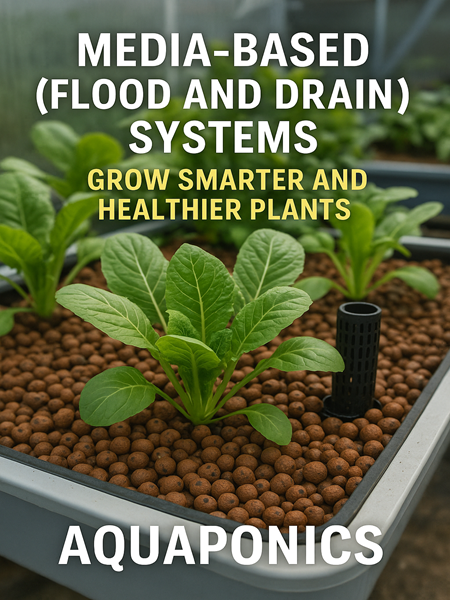
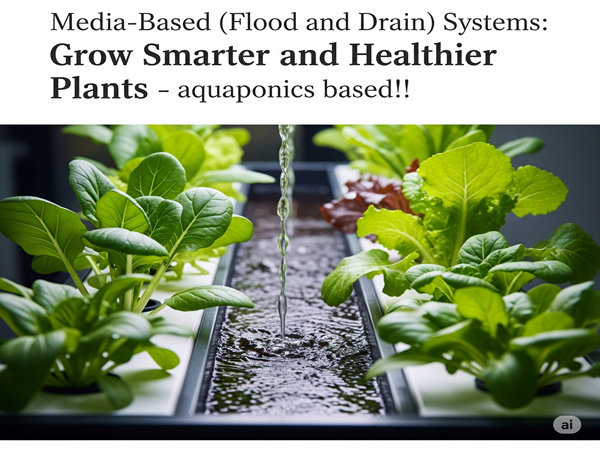
Media-Based (Flood and Drain) Systems: Grow Smarter and Healthier Plants
| Component | Role | Best Media Choices | Pros | Cons |
| Grow Bed | Holds plants & media | Clay pebbles, gravel | Great root support, stable temps | Heavy, needs structural support |
| Bell Siphon | Automates water cycling | PVC or ABS plastic | Reliable, no electricity needed | Requires precise setup |
| Water Pump | Moves water from tank | Submersible pump | Efficient, reliable | Needs regular maintenance |
| Drainage System | Ensures proper flow | PVC pipes | Durable, easy maintenance | Risk of clogging |
Why a Flood and Drain System is a Great Choice
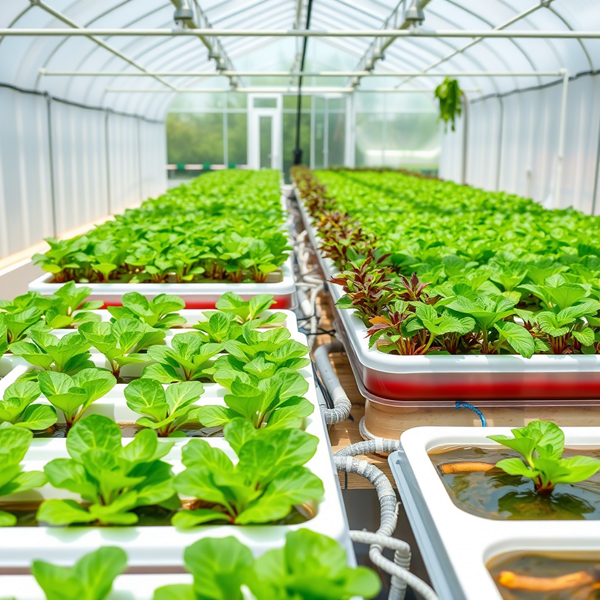
Media-based (flood and drain) systems are highly effective aquaponic or hydroponic setups that deliver water and nutrients directly to plant roots through periodic flooding and draining. They offer excellent oxygenation, efficient nutrient delivery, and strong plant support.
Benefits include:
- Excellent aeration: Flood and drain cycles promote healthy oxygen levels.
- Versatile plant choices: Suitable for a wide range of vegetables, herbs, and flowers.
- Easy nutrient management: Nutrient solutions are easily monitored and adjusted.
- Minimal pests and diseases: No soil reduces common garden pests and pathogens.
Selecting the Right Media for Your System
The right growing media plays a crucial role in system performance:
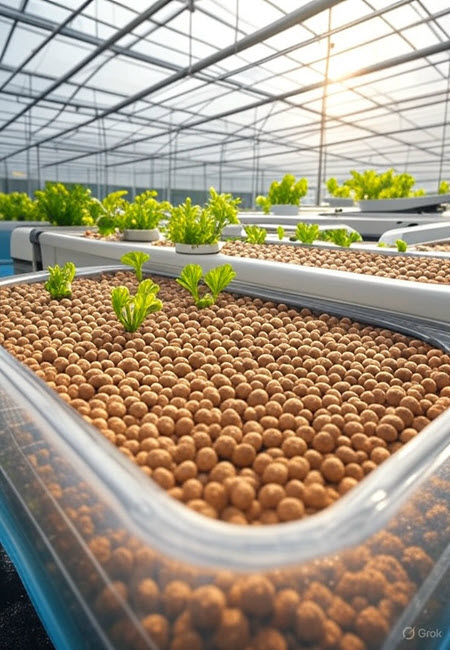
- Clay Pebbles (LECA): Lightweight, reusable, excellent aeration and drainage.
- Gravel: Cost-effective, stable, but heavier and requires stronger support.
- Expanded Shale: Good water retention, lightweight, stable, but less common.
Setting Up Your Flood and Drain System
To ensure optimal results, focus on these key setup elements:
- Grow Bed Design: Choose a size that comfortably fits your plants, usually about 12-16 inches deep.
- Proper Bell Siphon Installation: Critical for automated flooding and draining. Maintain a siphon standpipe 2-3 inches below the media surface.
- Reliable Water Pump: Select a pump strong enough to cycle your system volume every hour.
- Solid Drainage: Include accessible clean-out points to prevent clogs.
Fine-Tuning Your Flood and Drain Cycles
Flood cycles typically last 10-20 minutes, with drain cycles ensuring roots get enough oxygen. Factors influencing cycle timing include:
- Plant type and maturity: Younger plants prefer frequent short cycles; mature plants tolerate longer cycles.
- Ambient temperatures: Hot weather requires more frequent cycles to prevent roots from drying.
- Media type: Faster-draining media may need shorter flood times but more frequent cycles.
Automating Your Flood and Drain System
Automation can significantly simplify operation:
- Timers: Digital or mechanical timers automate pump operation.
- Bell Siphon: Automatically controls water levels without electricity, providing reliability.
- Sensors: Moisture and temperature sensors can optimize cycle frequency, reducing guesswork.
Sustainability and Resource Efficiency
Flood and drain systems promote sustainability:
- Water conservation: Water recirculates, minimizing waste.
- Nutrient recycling: Nutrients are reused repeatedly, reducing fertilizer needs.
- Energy-efficient: Minimal pump runtime reduces electricity consumption.
Common Mistakes to Avoid
To ensure your system stays productive, watch out for these common pitfalls:
- Poorly sized bell siphons: Incorrect sizing leads to cycle issues. Ensure precise measurements and tests before planting.
- Underestimating weight: Media-based systems are heavy when wet. Provide sturdy supports and reinforcement.
- Neglecting maintenance: Regularly check pumps, siphons, and drainage to prevent clogs and failures.
- Inadequate oxygenation: Always ensure complete drainage to promote oxygen-rich root zones.
Wrap-Up:
A media-based flood and drain system offers one of the most robust methods to grow healthy, vigorous plants efficiently. By choosing suitable media, optimizing flood cycles, automating your system, and performing regular maintenance, you’ll achieve sustainable and productive plant growth all year long.
FAQs
How often should a flood and drain system cycle?
Typically every 1-2 hours, depending on plant types, media used, and environmental conditions.
What’s the best growing media for beginners?
Clay pebbles are recommended due to their ease of use, light weight, and excellent aeration.
Do I need electricity to run my flood and drain system?
Yes, for the water pump. However, the bell siphon works passively without electricity.
Can flood and drain systems be used outdoors?
Absolutely. Just protect your system components from extreme weather conditions.
How deep should the water level get in my grow bed?
Generally, flood water should rise 1-2 inches below the surface of your grow media to prevent algae growth and moisture loss.