
Nutrient Film Technique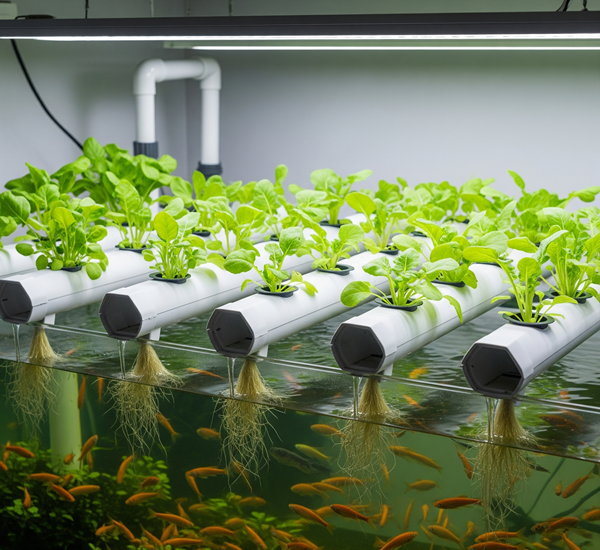
Nutrient Film Technique (NFT):
The High-Performance Aquaponics System for Maximum Yields
| Channel Type | Slope Required | Flow Rate | Best Plants | Difficulty Level |
| PVC Pipe | 1:30 to 1:40 | 1-2 L/min | Lettuce, herbs | Beginner |
| Commercial Channels | 1:30 to 1:50 | 2-4 L/min | Leafy greens | Intermediate |
| Custom Gutters | 1:40 to 1:60 | 1-3 L/min | Small plants | Advanced |
| A-Frame Systems | 1:30 to 1:40 | 3-5 L/min | High-density crops | Expert |
Understanding NFT: The Precision Growing Method
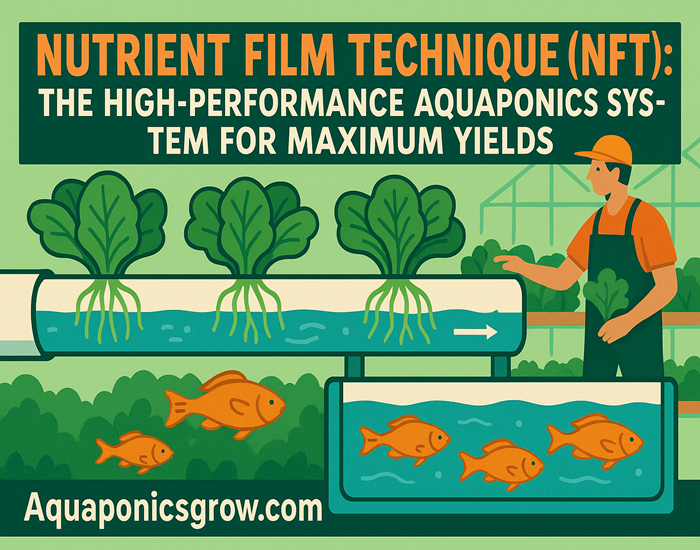
Nutrient Film Technique (NFT) is the Formula 1 of aquaponics systems. Instead of plants sitting in deep water or growing media, they live in sloped channels where a thin film of nutrient-rich water flows continuously past their roots. It’s efficient, space-saving, and produces incredible yields when done right.
The magic happens in the root zone. Plant roots develop into two distinct types: feeder roots that dangle into the flowing nutrient film, and air roots that stay above the water line to absorb oxygen. This dual-root system creates optimal conditions for rapid growth and high productivity.
NFT systems use 90% less water than soil gardening and 30% less than other hydroponic methods. The continuous flow means nutrients never stagnate, and the thin film ensures roots get both food and oxygen simultaneously. It’s why commercial growers love NFT for producing perfect lettuce and herbs year-round. Nutrient Film Technique
Why NFT Dominates Commercial Operations
Once you see an NFT system in action, it’s obvious why serious growers choose this method for high-value crops and maximum space efficiency.
- Unmatched space efficiency: Vertical growing channels can triple your growing area without expanding your footprint.
- Water conservation: The thin film technique uses minimal water while maximizing nutrient contact time.
- Consistent quality: Plants receive identical growing conditions, producing uniform size and quality.
- Easy harvesting: Pull plants straight out of net pots without digging through media.
- Quick turnaround: Faster crop cycles mean more harvests per year.
- Lower labor costs: Automated systems reduce daily maintenance requirements.
- Perfect for cut-and-come-again crops: Leafy greens that regrow after cutting thrive in NFT setups.
Getting Your Channel Design Right
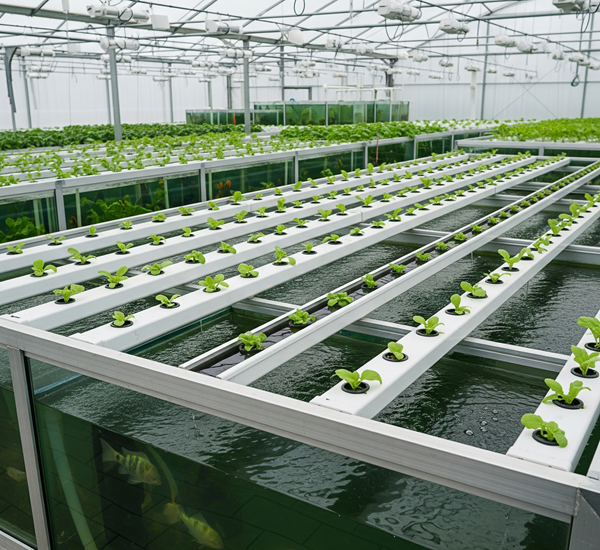
The heart of any NFT system is the growing channels. Get this wrong, and your entire system fails. Get it right, and you’ll have trouble keeping up with the harvest.
Slope calculations that work:
-
- Use a 1:30 to 1:40 slope (1 inch drop per 30-40 inches of length)
- Too steep and water flows too fast, starving plants
- Too flat and water stagnates, causing root rot
- Check slope with a level—eyeballing it leads to problems
Channel sizing guidelines:
-
- 4-inch diameter PVC works great for lettuce and small herbs
- 6-inch channels handle larger plants like bok choy and swiss chard
- Commercial NFT channels optimize water flow and root space
- Length should max out at 30-40 feet to prevent nutrient depletion
Flow rate optimization:
-
- Aim for 1-2 liters per minute for 4-inch channels
- Increase to 2-4 L/min for 6-inch channels
- Water should just cover the bottom of channels in a thin film
- Install flow meters to monitor and adjust rates precisely
Plant Selection for NFT Success
NFT systems excel with certain types of plants while struggling with others. Choose varieties that match the system’s strengths for best results.
NFT superstars:
-
- Lettuce varieties: All types thrive, from buttercrunch to romaine to specialty mixes
- Culinary herbs: Basil, cilantro, parsley, and mint grow incredibly fast
- Asian greens: Bok choy, tatsoi, mizuna, and Chinese broccoli
- Spinach and arugula: Quick-growing crops perfect for continuous harvest
Good secondary choices:
-
- Swiss chard and kale (need wider channel spacing)
- Green onions and chives (compact and productive)
- Strawberry plants (with proper support systems)
- Small pepper varieties (cherry and Thai peppers work well)
Plants to avoid in NFT:
-
- Large fruiting plants like tomatoes or cucumbers (too heavy, need support)
- Root vegetables like carrots or radishes (need growing medium)
- Plants requiring dry periods between watering
- Anything that grows taller than 2-3 feet without support
Pump and Plumbing Essentials
The pump and distribution system is where most NFT systems succeed or fail. You need consistent, reliable water flow to every channel without creating high-pressure situations that damage delicate roots.
Pump sizing calculations:
-
- Calculate total system volume and aim for 10-15 turnovers per hour
- Size pumps 25% larger than calculated needs for safety margin
- Use variable-speed pumps for precise flow control
- Install redundant pumps for critical commercial operations.
Click Here – See our Pump Sizing Calculator
Distribution manifold design:
-
- Use large-diameter headers (2-3 inches) to maintain even pressure
- Install ball valves at each channel for individual flow adjustment
- Place manifolds at the highest point of your system
- Size individual feed lines to match channel requirements
Return system setup:
-
- Collect return water in gutters or channels that drain to the fish tank
- Maintain proper slope on return lines to prevent backup
- Install filters to catch any debris before water returns to fish
- Use large-diameter return lines to handle peak flow volumes
Fish Integration for NFT Systems
NFT systems work best with fish that produce consistent, high-quality waste while thriving in the rapid water turnover environment.
Optimal fish choices:
-
- Tilapia: Perfect waste production, fast growth, handles varying conditions
- Catfish: Hardy, tolerant of system fluctuations, excellent for beginners
- Trout: Need cooler water but produce high-quality waste for plant nutrition
- Koi: Non-edible but extremely reliable, great for learning systems
Stocking and feeding strategies:
-
- Use 1 pound of fish per 5-7 gallons in NFT systems (higher than other methods)
- Feed 2-3 times daily in smaller amounts rather than one large feeding
- Monitor water quality more frequently due to faster system turnover
- Adjust feeding based on plant nutrient demands and growth rates
Click Here – See our Fish Stocking Density Calculator
System integration tips:
-
- Size fish tanks for at least 20% of total system water volume
- Use biofilters to convert ammonia before water enters plant channels
- Install UV sterilizers to control pathogens in the circulating water
- Monitor dissolved oxygen levels—fish need 5+ ppm for optimal waste production
Maintenance Routines That Prevent Problems
NFT systems require more frequent attention than other aquaponics methods, but the maintenance tasks are straightforward and quick when done regularly.
Daily checks:
-
- Verify water flow to all channels—blockages kill plants fast
- Check for clogged emitters or distribution points
- Monitor plant health for early signs of nutrient deficiencies
- Ensure pumps are running smoothly without unusual noises
Weekly maintenance:
-
- Clean channel ends and return gutters of debris
- Test pH, ammonia, nitrites, and nitrates
- Harvest mature plants and remove dead or diseased material
- Check and clean pump filters and intakes
Monthly deep maintenance:
-
- Flush entire system with clean water to remove salt buildup
- Inspect and clean all plumbing connections
- Replace worn pumps parts before they fail
- Calibrate flow meters and adjust channel flows as needed
Troubleshooting NFT System Failures
NFT systems can fail spectacularly when things go wrong, but most problems have straightforward solutions if you catch them early.
Flow problems and blockages:
-
- Install pre-filters on all water inlets to catch debris
- Use larger tubing than you think you need—it rarely clogs
- Place cleanout points every 10-15 feet on long channel runs
- Keep spare pumps and fittings for emergency repairs
Nutrient deficiencies and plant problems:
-
- Test water chemistry weekly during growing season
- Supplement iron and potassium if plants show deficiency symptoms
- Monitor pH closely—NFT systems are less buffered than other methods
- Increase fish feeding if nitrate levels drop below 30 ppm
Root health issues:
-
- Ensure adequate dissolved oxygen in nutrient solution
- Check for proper channel slope and flow rates
- Remove diseased plants immediately to prevent spread
- Clean channels between crops to eliminate pathogen buildup
System crashes and equipment failure:
-
- Install backup pumps with automatic switching systems
- Use battery backup power for critical pumps during outages
- Keep spare parts inventory for quick repairs
- Design redundancy into distribution systems
Advanced NFT Techniques for Maximum Production
Once you’ve mastered basic NFT operation, these advanced techniques can boost yields and system efficiency even further.
Vertical growing systems:
-
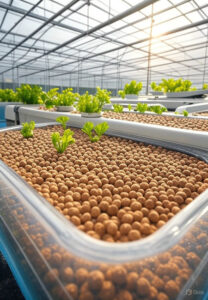
- A-frame NFT towers can triple your growing space
- Ensure upper channels don’t shade lower ones excessively
- Design structural support for fully loaded growing towers
- Plan access routes for maintenance and harvesting
Crop rotation and succession planting:
-
- Stagger plantings every 2-3 weeks for continuous harvests
- Rotate between heavy and light feeding crops to balance nutrients
- Clean and sterilize channels between different crop types
- Keep detailed records of planting and harvest schedules
Automation and monitoring:
-
- Install pH controllers for automatic water chemistry adjustment
- Use flow sensors with alarms for pump failure detection
- Implement remote monitoring systems for large operations
- Consider automated seeding and transplanting equipment
Climate optimization:
-
- Control air temperature, humidity, and airflow around plants
- Use supplemental lighting during low-light periods
- Install evaporative cooling for summer temperature control
- Integrate heating systems for year-round production
Wrap-Up
Nutrient Film Technique represents aquaponics at its most refined and efficient. When properly designed and maintained, NFT systems produce incredible yields of high-quality leafy greens and herbs while using minimal water and space.
The key to NFT success lies in precision—precise slopes, precise flow rates, and precise maintenance schedules. It’s less forgiving than other aquaponics methods, but the rewards in terms of productivity and quality make the extra attention worthwhile.
Start with a simple single-channel system to learn the basics, then expand to multi-channel setups as your experience grows. Master the fundamentals of slope, flow, and maintenance, and you’ll have a system that produces restaurant-quality crops year after year.
Frequently Asked Questions (FAQs): NFT Systems Optimization
What’s the ideal slope for NFT channels?
Aim for 1:30 to 1:40 slope (1 inch drop per 30–40 inches of length).
-
-
Why this range: Steeper slopes cause nutrient solution to flow too quickly, washing past roots before plants absorb nutrients. Gentler slopes risk stagnation and oxygen depletion.
-
Precision tool: Use a digital inclinometer or laser level to achieve exact slope—eyeballing often results in uneven flow.
-
Flow rate target: Maintain 1–2 liters per minute for optimal nutrient delivery without root drying.
-
How long can NFT channels be before performance drops?
Keep channels under 30–40 feet maximum.
-
-
Oxygen depletion: Beyond 40 feet, dissolved oxygen drops below 5 mg/L, stressing plants at the channel end.
-
Nutrient dilution: Solution pH and EC drift significantly after 30 feet due to nutrient uptake imbalance.
-
Solution: For large systems:
-
Split long runs into 25-foot segments
-
Use intermediate reservoirs for re-oxygenation
-
Install inline oxygen injectors
-
-
What happens if the pump fails in an NFT system?
Plants wilt within 30–60 minutes due to rapid root drying.
-
-
Emergency protocols:
-
Install backup pumps with automatic switchovers
-
Use battery-powered airstones for temporary oxygenation
-
Implement moisture sensors with SMS alerts
-
-
Design failsafes:
-
Slope channels to drain into emergency reservoir
-
Include manual hand-pump capability
-
-
Can I grow tomatoes or peppers in NFT systems?
Small varieties only—NFT is optimized for leafy greens and herbs.
-
-
Challenges for fruiting plants:
-
Insufficient root support for heavy plants
-
Nutrient demands exceed NFT delivery capacity
-
Clogging risks from dense root masses
-
-
Better alternatives:
-
DWC (Deep Water Culture) for larger root zones
-
Media beds (clay pebbles) for structural support
-
Dutch Buckets for individual plant management
-
-
How often should I clean NFT channels?
Clean between crop cycles + weekly flushes in continuous systems.
-
-
Cleaning protocol:
-
Weekly: Flush with 3% hydrogen peroxide solution
-
Monthly: Scrub channels with citric acid solution
-
Crop change: Full disassembly and sterilization
-
-
Biofilm prevention:
-
Add 5 ppm of food-grade hydrogen peroxide to nutrient solution
-
Install inline UV sterilizers
-
-
Critical NFT Parameters Summary
| Parameter | Optimal Range | Monitoring Tool |
|---|---|---|
| Slope | 1:30 to 1:40 | Digital inclinometer |
| Channel Length | < 40 ft | Dissolved oxygen meter |
| Flow Rate | 1–2 L/min | Flow sensor |
| Cleaning Frequency | Weekly flush | TDS/pH tracker |