
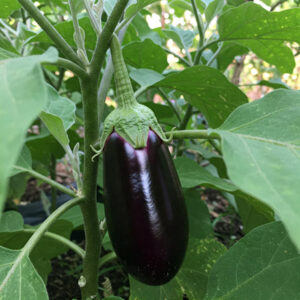
Eggplant (Solanum melongena) in Aquaponics: How to Grow Abundant, Flavorful Fruits in a Sustainable System
Eggplant (Solanum melongena), also known as brinjal or aubergine, is a fantastic addition to any aquaponics garden. If you’re looking for a space-saving, eco-friendly way to grow fresh produce with minimal effort, aquaponics is the way to go. By combining fish farming (aquaculture) with soil-less plant cultivation (hydroponics), this system creates a self-sustaining ecosystem where plants thrive on fish waste, leading to healthy and flavorful harvests.
In this guide, we’ll cover why eggplant is an excellent choice for aquaponics, how to create the perfect growing conditions, ways to maximize your yield, and how to handle common pests or diseases. Whether you’re a beginner or an experienced grower looking to expand your crop selection, this guide will help you grow an abundant supply of delicious eggplants.
See our “Top Fruiting Vegetable Scorecard” below !!
Why Grow Eggplant in Aquaponics?
Eggplant is a warm-season vegetable that adapts exceptionally well to aquaponic systems. Here’s why it’s a top pick:
✅ Nutrient-Packed Fruits – Eggplants are rich in vitamins, minerals, and antioxidants, making them a healthy addition to your meals. Growing them in aquaponics means no chemical fertilizers—just pure, natural goodness.
✅ High Yields – With the right care, eggplants produce multiple fruits at once. Thanks to the steady nutrient supply in aquaponics, you can expect consistent harvests.
✅ Extended Growing Season – Unlike traditional soil gardening, aquaponics allows better control over water temperature and nutrients, keeping plants productive for longer.
✅ Space-Efficient – While some plants sprawl uncontrollably, eggplants can be pruned and trained to fit neatly into your setup, making them ideal for small spaces.
Best Eggplant Varieties for Aquaponics
Not all eggplants are created equal—some perform better in aquaponics than others. Here are a few great options:
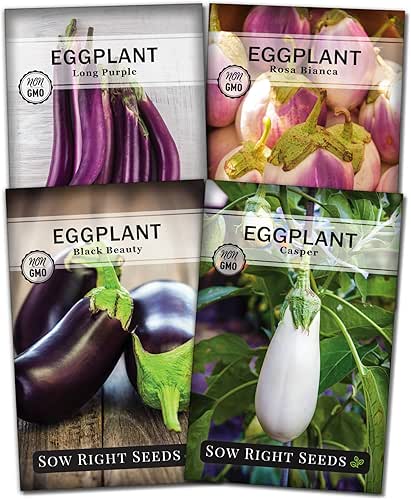
🌱 Black Beauty – A classic variety with large, glossy fruits. Requires sturdy support due to its weight.
🌱 Little Finger – A compact plant producing slim, tender fruits—great for smaller systems.
🍆Japanese Eggplant – Long, slender, and packed with flavor, this variety is perfect for stir-fries and roasting.
🌱 Chinese Eggplant – Similar to Japanese varieties but slightly larger, thriving in warm conditions.
When choosing a variety, consider the space available, temperature conditions, and, of course, your personal taste preferences.
Optimal Growing Conditions for Eggplant in Aquaponics
🌡️ Temperature Needs
- Ideal range: 75°F–85°F (24°C–29°C) during the day, around 70°F (21°C) at night.
- Water temperature: 70°F–78°F (21°C–25°C) – a range that keeps both fish and plants happy.
- If you live in a colder climate, a water heater and insulation can help maintain stable temperatures.
☀️ Light Requirements
- Minimum: 6–8 hours of bright light per day.
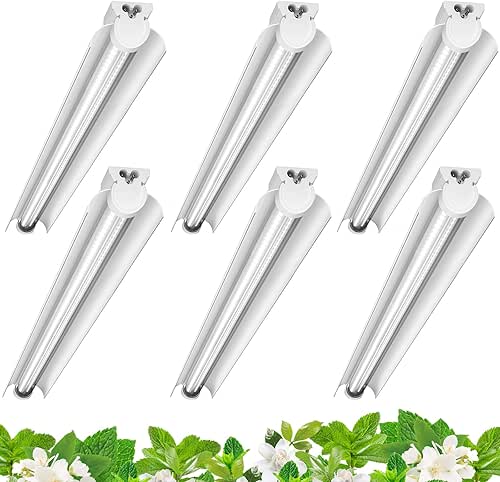
- Supplementary lighting: If growing indoors, consider LED grow lights to ensure strong, consistent growth.
💧 pH Levels & Nutrients
- pH range: 6.0–7.0 (slightly acidic to neutral).
- Nutrient needs: Eggplants are moderate-to-heavy feeders, so ensure enough fish waste is available to provide essential nutrients like nitrogen, calcium, and potassium.
- If necessary, supplement with chelated iron or seaweed-based fertilizers (aquaponic-safe, of course!).
How to Start Growing Eggplant in Aquaponics
🌱 Starting from Seeds
- Soak the seeds in warm water for a few hours before you plant this will to speed up germination
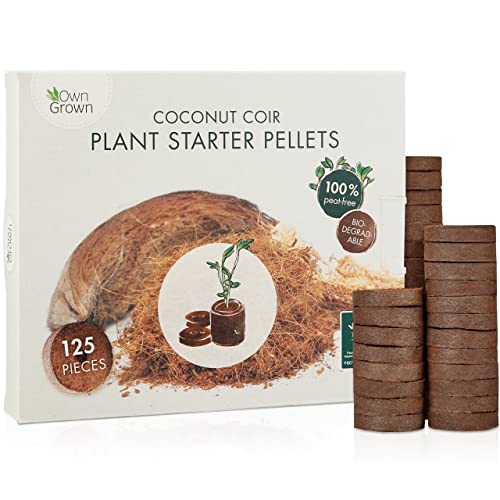
- Plant them in seedling trays or starter plugs in a warm location.
- Once the seedlings develop true leaves (around 2–4 weeks), transplant them into the aquaponics media bed.
🌿 Transplanting Seedlings
- Purchase healthy seedlings from a reputable nursery.
- Gently remove as much soil as possible from the roots to avoid contaminating your system.
- Place transplants in net pots or directly in the media bed, ensuring roots are well-supported.
Proper Spacing & Support for Healthy Growth
Eggplants can grow 2–4 feet tall, depending on the variety. To keep them thriving:
✅ Spacing: Leave 18–24 inches between plants to ensure proper airflow and reduce disease risk.
🍆Support: Use stakes, trellises, or cages to prevent plants from damage bending under the weight of their fruit.
✅ Pruning: Trim lower leaves and side shoots to improve airflow and direct energy toward fruit production.
Common Pests & How to Deal with Them
Even in aquaponics, pests can occasionally sneak in. Here are the top troublemakers:
🐞 Aphids: These tiny sap-suckers love young growth. Release ladybugs or spray insecticidal soap (aquaponic-safe).
🪲 Flea Beetles: Small black beetles that leave tiny holes in leaves. Use row covers or sticky traps.
🕷️ Spider Mites: Look for fine webbing under leaves. Increase humidity or apply organic miticide.
🍆 Blossom End Rot: A calcium deficiency issue causing dark spots at the fruit’s base. Check pH levels and calcium availability.
Regular plant inspections and early intervention help prevent small problems from turning into major headaches.
Pollination Tips for Better Fruit Production
Eggplants have self-pollinating flowers, but giving them a little nudge helps boost yields:
🌿 Shake the Plants – Lightly shake branches or tap flowers a few times a week to spread pollen.
🖌️ Use a Soft Brush – Gently brush inside each flower to transfer pollen.
🐝 Invite Pollinators – If growing outdoors, plant pollinator-friendly flowers nearby to attract bees and butterflies.
Harvesting & Storing Eggplants
🔍 When to Harvest:
- Look for a glossy sheen on the skin and gently press it—if it springs back, it’s ready!
- Size matters! Japanese and Chinese eggplants are best around 8–10 inches, while larger varieties reach 6–8 inches in diameter.
✂️ How to Harvest:
- Use a sharp knife or your trusty pruning shears to carefully cut the fruit—never twist or pull, as it can damage the plant.
🥶 Storage Tips:
- Store in the refrigerator’s crisper drawer and use within a week for the best flavor.
- For long-term storage, slice and freeze eggplants or incorporate them into pre-cooked dishes.
Delicious Ways to Enjoy Your Harvest
Eggplants are incredibly versatile in the kitchen! Try these tasty ideas:
🔥 Grilled: Brush with olive oil and season for a smoky, charred flavor.
🍅 Baked: Classic eggplant Parmesan or use as a lasagna noodle substitute.
🍜 Stir-Fried: Slice thinly for Asian-inspired dishes with garlic, soy sauce, and ginger.
🔥 Roasted: Roast whole or cubed for a deep, rich taste.
Growing eggplants in aquaponics means fresher, chemical-free, and more flavorful fruits—straight from your garden to your plate!
Tools & Goodies to Help Your Eggplant Thrive
Get your hands on these aquaponics must-haves to grow eggplant like a boss:
-
Eggplant Seed Collection
-
pH Testing Kit: Keep your system balanced like a pro.
-
LED Grow Lights: Keep your eggplant basking in light, even on cloudy days.
2 ft. long
3 ft. long
4ft. long
Surge Protector with 7-Day Digital Timer
-
-
Seed Starting Trays and Starter cubes
-
-
pH Testing Kits: Because happy plants = balanced pH.
-
Aquaponics Starter Kit: Perfect for newbies testing the waters (pun intended).
Indoor Aquaponic Garden – 3 Gallon Self-Watering, Mess-Free Planter
3-gallon Aquaponic Fish Tank
AquaSprouts Aquaponics Garden
-






Download our free
Ultimate Guide To Aquaponics
Cultivating Sustainable Food Systems at Home
Top Fruiting Vegetable Scorecard
Plant Name: Eggplant (Solanum melongena)
| Criteria | Score (1-5) | Notes |
|---|---|---|
| Size (Height x Width) | 4 | Typically grows 2-4 ft tall and 2-3 ft wide; compact varieties are also available. |
| Spacing (inches) | 3 | Generally needs 18-24 inches between plants to allow ample airflow and room for root growth. |
| Time to Maturity (days) | 4 | Usually matures in 70-80 days from transplant, depending on the variety and growing conditions. |
| Water Requirement | 3 | Prefers consistent moisture; moderate to high water needs, but avoid waterlogging. |
| pH Range | 4 | Does well in slightly acidic to neutral pH (6.0-7.0). |
| Light Requirement | 5 | Requires full sun (6-8 hours or more of direct sunlight). |
| Ease of Growth | 3 | Can be somewhat temperamental if conditions (warmth, sunlight) are not met; requires some care. |
| Needs Supporting Structure | 3 | Yes. Staking or caging can help support branches when fruit gets heavy. |
| Nutrient Requirements | 4 | Needs balanced nutrients; particularly higher potassium for fruit development; moderate-high N & P. |
| Fish Compatibility | 4 | Tilapia, catfish, koi, and goldfish generally thrive in similar warm-water, pH 6.0-7.0 conditions. |
Overall Score: 37 (out of a possible 50)
- Pros:
• Produces high yields of nutrient-dense fruit
• Adaptable to various system types when provided with warm conditions
• Can thrive in pH ranges common to aquaponics - Cons:
• Susceptible to common pests (e.g., spider mites, aphids)
• Requires warm temperatures for best growth
• May need additional support structures as fruit size increases - Best Suited For:
• Media bed systems in warm climates or controlled greenhouse environments
• Systems aiming for a variety of fruiting crops along with typical aquaponics fish like tilapia or catfish - Additional Notes:
• Ensure temperatures remain consistently warm (eggplants are heat-loving).
• Monitor for pests; consider natural biological controls in aquaponic systems.
• Prune lower leaves to improve airflow and reduce risk of fungal diseases.
Final Thoughts
Growing eggplant in aquaponics is a rewarding experience that blends sustainability with high yields. By managing water quality, temperature, and nutrient balance, you’ll create a thriving ecosystem for both fish and plants.
With a little care, some patience, and maybe a few grilled eggplant slices as motivation, you’ll soon be harvesting delicious homegrown eggplants—all while keeping your aquaponics system running at its best!
Now, let’s get growing! 🌿🍆💧