
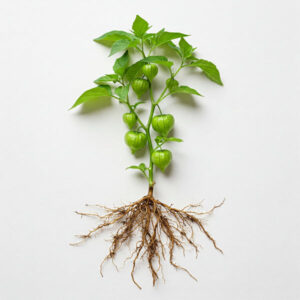
How to Grow This Zesty Green Superfruit in Your Aquaponic Garden
(Without Losing Your Marbles)
How to Grow Tomatillos using Aquaponics. Let’s taco ‘bout tomatillos. You’ve probably seen these little green guys wrapped in a crinkly husk, hanging out in your salsa verde or cozying up in an enchilada. But here’s the spicy scoop: tomatillos aren’t just salsa royalty—they’re also a secret weapon for aquaponic gardeners.
If you’re diving into aquaponics (aka, the magical marriage of fish and plants), tomatillos are an aqua-some addition to your setup. Whether you’ve got your aquaponic game dialed in or you’re still figuring out what a grow bed is, this guide is packed with down-to-earth tips to help your tomatillos thrive—minus the soil and the drama.
See our “Top Fruiting Vegetable Scorecard” below !!
1. So, What Are Tomatillos Anyway?
Tomatillos (Physalis philadelphica) belong to the nightshade family of plants.—which sounds mysterious, but really just means they’re cousins with tomatoes, peppers, and eggplants. Think of them as tomatoes that decided to wear a paper cloak and have a tangy personality.
They’re tart, citrusy, and have that “zing” that makes Mexican dishes sing. When the husk splits and starts looking like it just woke up from a nap? That’s your cue—they’re ripe and ready to party in your kitchen.
Nutritional Perks (Because They’re Not Just a Pretty Husk):
- Vitamin A & C: Great for your immune system and peeper health.
- Potassium & Manganese: Not just cool minerals—they help regulate blood pressure and support bone health.
- Antioxidants: Fighting off those pesky free radicals like plant-based superheroes.
And when you grow ‘em aquaponically? They soak up extra nutrients and basically turn into the overachievers of your garden.
2. Why Tomatillos + Aquaponics = Match Made in Gardening Heaven
✅ Nutrient Buffet, No Soil Needed
Fish waste gets converted into plant food by helpful bacteria (tiny, unsung heroes of aquaponics). Your tomatillos will be living their best life—well-fed and constantly hydrated.
✅ Small Space? No Problem
With vertical towers, raft beds, or media beds, you can grow tomatillos without needing a backyard the size of a football field. Urban jungle or countryside haven—it works anywhere.
✅ Faster Growth, Bigger Harvest
Aquaponics = constant nutrients = speedy growth. Expect more fruit, less waiting. Your salsa game will never be the same.
✅ Bye-Bye Weeds
No soil, no weeding. You’ll finally have time to learn how to juggle or knit that tomato-themed scarf you’ve been thinking about.
3. Building the Perfect Tomatillo-Friendly Aquaponic Setup
🛠️ Choose Your Method:
- Media Bed: Like a comfy mattress for roots. Clay pebbles or lava rocks give great support.
- DWC (Deep Water Culture): Plants float like little green boats on a nutrient-rich river.
- NFT (Nutrient Film Technique): Ideal for lighter plants, but with enough support, tomatillos can thrive here too.
🐟 Pick Your Fish Wisely
- Tilapia, koi, goldfish, trout… think of them as underwater coworkers.
- Tilapia loves the same warm temps as tomatillos, so they’re basically BFFs.
💧 Keep That Water Happy
- pH: Aim for 6.8–7.2.
- Temp: 70–85°F is the tomatillo comfort zone.
- Nutrient Levels: Test regularly so your plants and fish don’t throw a tantrum.
☀️ Let There Be Light
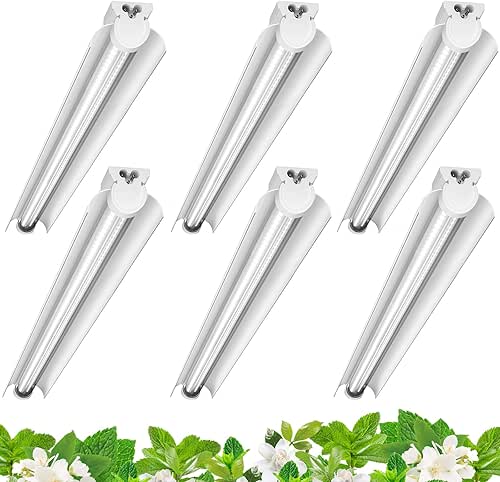
- 6–8 hours of sunlight daily, or full-spectrum grow lights if you’re growing indoors.
- Tomatillos are sun worshippers—don’t leave them in the dark!
4. Growing Tomatillos: A Step-by-Step Adventure
🌱 Step 1: Seed Starting
- Use quality tomatillo seeds.
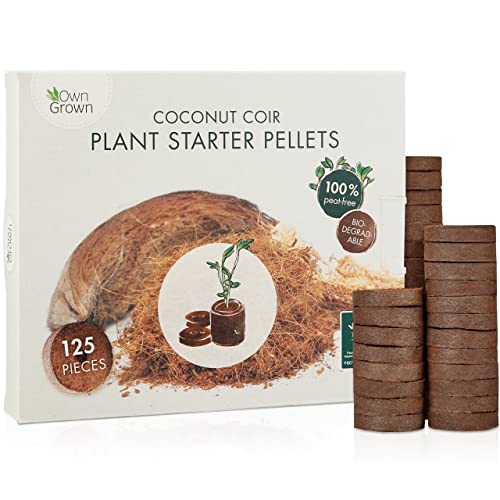
- Start in trays with a soilless mix. Moist, warm, and cozy (70–80°F) is the goal.
🌱 Step 2: Transplanting
- Once you’ve got a couple of true leaves, it’s time to move.
- Gently clean off the seed-starting medium, pop them into net pots or media beds.
🌿 Step 3: Support, Please!
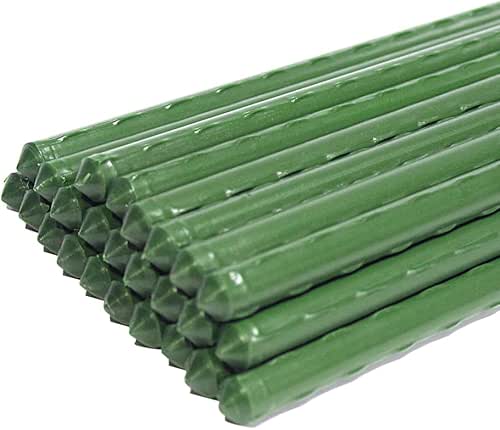
- These plants get chonky when the fruit shows up. Trellises, cages, or stakes will save your stems from snapping.
🌱 Step 4: Feeding the Green Machine
- Fish waste = natural fertilizer. But if you see yellow leaves or sad plants, consider adding organic boosts like iron chelates or seaweed extract.
🌱 Step 5: Pollination Station
- Tomatillos are self-pollinating, but they appreciate a little help.
- Indoors? Shake the stems or play bee with a soft brush. (Buzzing sounds optional but encouraged.)
🌿 Step 6: Trim It Up
- Remove sad leaves and any excessive suckers to keep energy focused on the fruit.
5. Common Challenges (And How to Outsmart Them)
- Pests: Whiteflies, aphids, and spider mites may show up uninvited. Use neem oil or bring in the ladybugs (the good kind).
- Root Rot: No oxygen = soggy, unhappy roots. Add air stones or keep that water moving.
- Nutrient Deficiencies: Yellow leaves? Stunted growth? Test the water and supplement accordingly.
- Temperature Swings: Keep it steady. Heaters or chillers can help keep everyone (fish and plants) comfy.
6. Harvest Time & What to Do With All That Green Gold
Tomatillos are ready about 75–100 days after transplanting. You’ll know it’s go-time when the husk browns and splits open like a gift from your garden.
What to Make:
- Salsa Verde: Obviously.
- Roasted Goodness: Smoky, tangy, amazing.
- Soups & Stews: Adds that zesty twist you didn’t know you needed.
📣 Ready to Start Growing?
Feeling inspired to become a Tomatillo superstar? 🌱
Here’s to bountiful harvests, sustainable gardening, and mouthwatering homegrown Tomatillos! 🌿
Tools & Goodies to Help Your Tomatillos Thrive
Get your hands on these aquaponics must-haves to grow Tomatillo like a boss:
-
Tomatillo Seeds for Planting Variety Pack
-
pH Testing Kit: Keep your system balanced like a pro.
-
LED Grow Lights: Keep your Tomatillos basking in light, even on cloudy days.
2 ft. long
3 ft. long
4ft. long
Surge Protector with 7-Day Digital Timer
-
-
Seed Starting Trays and Starter cubes
-
-
pH Testing Kits: Because happy plants = balanced pH.
-
Aquaponics Starter Kit: Perfect for newbies testing the waters (pun intended).
Indoor Aquaponic Garden – 3 Gallon Self Watering, Mess-Free Planter
3-gallon Aquaponic Fish Tank
AquaSprouts Aquaponics Garden
-
-
4ft Garden Stakes for Trellis Climbing






Download our free
Ultimate Guide To Aquaponics
Cultivating Sustainable Food Systems at Home
Top Fruiting Vegetable Scorecard
Plant Name: Tomatillos (Physalis philadelphica)
| Criteria | Score (1-5) | Notes |
|---|---|---|
| Size (Height x Width) | 3 | 3-4 ft tall x 3-4 ft wide; bushy growth can take up significant space. |
| Spacing (inches) | 2 | 24-36 in between plants; wide spacing reduces density in aquaponics. |
| Time to Maturity (days) | 3 | 60-75 days; average for fruiting crops, slower than peas but reasonable. |
| Water Requirement | 4 | Moderate to high; thrives with consistent water supply aquaponics offers. |
| pH Range | 4 | 5.5-7.0; broad range fits well with most aquaponic systems. |
| Light Requirement | 4 | Full sun (6-8 hrs); easily achievable with proper lighting. |
| Ease of Growth | 4 | Generally easy; resilient but may face pests like whiteflies or blight. |
| Needs Supporting Structure | Yes | Benefits from staking or caging to manage sprawling growth. |
| Nutrient Requirements | 4 | Moderate to high; needs phosphorus and potassium for fruiting, well-suited to aquaponics. |
| Fish Compatibility | 4 | Tilapia, catfish (5.5-7.0 pH, 70-85°F); trout less ideal due to warmer water preference. |
Overall Score: 32/50
- Pros:
• High fruit yield with consistent water and nutrients.
• Broad pH tolerance aligns with most aquaponic setups.
• Resilient and adaptable to various conditions. - Cons:
• Wide spacing (24-36 in) limits plant density in smaller systems.
• Bushy growth requires support, adding setup effort.
• Longer maturity (60-75 days) compared to faster crops like peas.
Best Suited For:
• Media-based or nutrient film technique (NFT) aquaponic systems with ample space and support structures.
• Growers aiming for flavorful, high-value fruit crops.
Additional Notes:
Tomatillos thrive in warmer conditions (70-85°F), making them ideal for setups with warm-water fish like tilapia. They require cross-pollination, so at least two plants are recommended for fruit set, which may further impact spacing in aquaponics. Pest monitoring is advised in humid environments.
Conclusion
Tomatillos in aquaponics? Heck yes.
They’re tasty, tangy, and turn your sustainable garden into a salsa-making machine. With the right setup, a little patience, and maybe a pep talk to your plants now and then, you’ll be harvesting husk-covered treasures in no time. How to Grow Tomatillos using Aquaponics.
So go ahead—give your aquaponic system a tomatillo twist. And remember: Good things come to those who grow green stuff.
Happy growing!