Growing Summer Squash Vertically with Aquaponics: A Space-Saving, Sustainable Harvest
Growing Summer Squash Vertically. Summer squash (Cucurbita pepo) is a backyard gardener’s dream—delicious, easy to grow, and wildly productive. But what if you could take its natural abundance and pair it with the efficiency of aquaponics? Even better, what if you could grow it vertically, saving space while optimizing plant health? Sounds like a win-win!
In this guide, we’ll break down why summer squash is a fantastic choice for aquaponics, how to grow it vertically, and what you need to do to keep your fish, plants, and system in perfect harmony. Whether you’re a seasoned aquaponics pro or just dipping your toes into this sustainable gardening method, you’ll find everything you need to grow thriving, sky-high squash plants all year round.
See our “Top Fruiting Vegetable Scorecard” below !!
Why Grow Summer Squash in Aquaponics?
1. A Sustainable, Self-Sufficient System
Aquaponics combines aquaculture (fish farming) with hydroponics (soil-free plant growing), creating a self-sustaining ecosystem. Your fish produce waste, beneficial bacteria convert that waste into nutrients, and your plants soak it all up—while also purifying the water for the fish. It’s the ultimate you scratch my back, I’ll scratch yours situation.
Summer squash thrives in this setup, thanks to a constant supply of nutrient-rich water, this leads to faster growth with higher yields compared to traditional soil gardening.
2. Water Conservation at Its Best
Forget daily watering! Aquaponics systems recycle water, meaning they use up to 90% less water than soil-based gardens. If you live in a dry climate or want to cut down on water use, this method is a game-changer.
3. Space-Saving Vertical Growth
Summer squash plants love to sprawl, but when grown vertically, they stay neat, organized, and—best of all—take up way less space. If you’re working with a small greenhouse, urban garden, or indoor setup, going vertical is a no-brainer.
Benefits of Vertical Growing
1. Better Airflow = Fewer Pests & Diseases
Growing squash upright allows for better air circulation, reducing the risk of diseases like powdery mildew. It also makes it harder for pests to hide out in dense foliage.
2. Easier Maintenance & Harvesting
No more crouching or wading through a jungle of leaves! Vertical growth makes it simple to prune, check for pests, hand-pollinate, and pick your squash without breaking your back.
3. Bigger, Better Yields
With more exposure to sunlight and improved airflow, vertically trained squash plants can grow larger and healthier, leading to higher yields over the season. More squash = more delicious meals.
Setting Up Your Aquaponics System for Summer Squash
1. Choosing the Right Fish
Your fish are just as important as your plants! Popular choices include:
🐟 Tilapia – Hardy, fast-growing, and beginner-friendly
🐠 Catfish – Low-maintenance and great for warm climates
🎏 Koi/Goldfish – Ideal for non-edible setups or ornamental aquaponics
🐡 Trout – Thrives in cooler water
Pick a species that fits your climate and system setup to ensure both fish and plants thrive.
2. Nutrient Balancing: Keeping Fish & Plants Happy
Squash plants love a steady diet of nitrogen, phosphorus, and potassium—all conveniently provided by fish waste. But you’ll need to monitor key water parameters to keep everything in balance:
✅ pH: 6.8–7.2
✅ Ammonia: Low levels prevent fish stress
✔ Nitrites: Should be converted quickly by bacteria
✅ Nitrates: Needed for plant growth—too low, and plants struggle; too high, and fish get stressed
Regular water testing is crucial to prevent nutrient deficiencies or fish health issues.
3. Filtration: The System’s Unsung Hero
A strong mechanical filter removes solid waste, while a biological filter (gravel beds, clay media, or bio-balls) houses beneficial bacteria that convert ammonia into usable plant nutrients. Keeping these filters clean ensures a healthy, thriving system.
How to Grow Summer Squash Vertically
1. Choose the Right Trellis
Your squash will need a strong support system—think sturdy trellises, netting, or vertical frameworks. Metal and plastic options are durable and easy to clean, making them popular for aquaponics setups.
2. Give Plants Room to Climb
Plant spacing is key! Keep 12–18 inches between squash plants so they have enough room to grow without overcrowding.
3. Train & Prune for Maximum Growth
As vines grow, gently secure them to the trellis using soft ties or clips. Regular pruning helps redirect energy to fruit production while reducing disease risk. Say goodbye to tangled vines and hello to organized, thriving plants!
Pollination: Getting Squash to Fruit
Since squash produces both male and female flowers, pollination is essential for fruit development. If your setup is indoors or lacks natural pollinators, try these methods:
🐝 Hand Pollination: Using a small brush to transfer pollen from male flowers to female flowers.
🌿 Companion Planting: Grow pollinator-friendly plants like marigolds and basil nearby to attract bees.
🐝 Introduce Pollinators: Consider adding bumblebee boxes or keeping a small pollinator habitat near your system.
More pollination = more squash!
Dealing with Pests & Diseases
Aquaponics naturally reduces many pest problems, but some critters might still show up uninvited:
🚨 Common Pests:
- Aphids & Whiteflies – Use ladybugs or lacewings for natural control
- Spider Mites – Increase humidity and introduce beneficial insects
- Squash Bugs – Hand-pick them off plants (yes, it’s gross but effective!)
🚨 Common Diseases:
- Powdery Mildew: Improve airflow and prune affected leaves early
- Root Rot: Avoid overwatering and ensure proper filtration
Whenever possible, use organic pest control methods that won’t harm your fish or beneficial bacteria.
Harvesting & Storing Your Summer Squash
✔ When to Harvest: Pick squash when it’s 6–8 inches long and the skin is still tender. The more squash you harvest, the more the plant will produce!
✔ Best Harvesting Method: Use sharp pruning shears or a knife to cut the fruit cleanly from the vine. Tugging can damage the plant.
✔ Storage Tips: Fresh squash lasts about a week in the fridge. For long-term storage, blanch and freeze extras for soups, casseroles, or stir-fries later.
See our “Top Fruiting Vegetable Scorecard” below !!
Final Thoughts
Growing summer squash vertically in an aquaponics system is a smart, space-saving way to produce nutritious, homegrown food while keeping your fish happy. With the right setup, nutrient balance, and pollination techniques, you’ll be harvesting fresh squash all season long.
Download our free
Ultimate Guide To Aquaponics
Cultivating Sustainable Food Systems at Home
Tools & Goodies to Help Your Summer Squash Thrive
Get your hands on these aquaponics must-haves to grow summer squash like a boss:
-
Straight Neck Summer Squash
-
pH Testing Kit: Keep your system balanced like a pro.
-
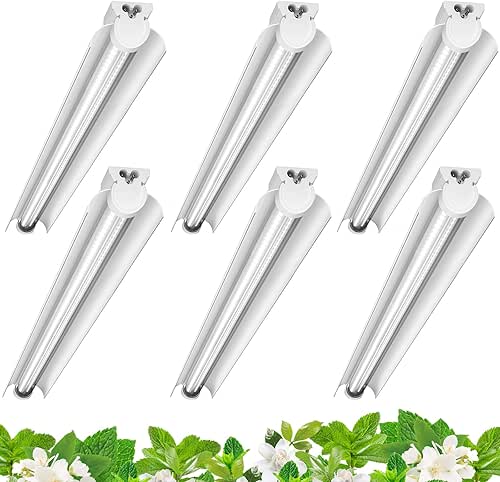
LED Grow Lights: Keep your summer squash basking in light, even on cloudy days.
2 ft. long
3 ft. long
4ft. long
Surge Protector with 7-Day Digital Timer
-
-
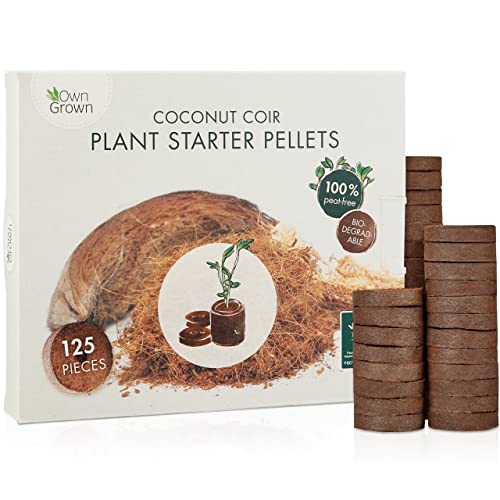
Seed Starting Trays and Starter cubes
-
-
pH Testing Kits: Because happy plants = balanced pH.
-
Aquaponics Starter Kit: Perfect for newbies testing the waters (pun intended).
Indoor Aquaponic Garden – 3 Gallon Self Watering, Mess-Free Planter
3-gallon Aquaponic Fish Tank
AquaSprouts Aquaponics Garden
-






Download our free
Ultimate Guide To Aquaponics
Cultivating Sustainable Food Systems at Home
Top Fruiting Vegetable Scorecard
Plant Name: Summer Squash (Cucurbita pepo)
| Criteria | Score (1-5) | Notes |
|---|---|---|
| Size (Height x Width) | N/A | Can reach 2-3 feet tall and spread 3-4 feet wide. |
| Spacing (inches) | N/A | Requires 24-36 inches between plants. |
| Time to Maturity (days) | 4 | Typically matures in 50-70 days. |
| Water Requirement | 4 | Moderate to high; needs consistent moisture. |
| pH Range | 4 | Prefers 6.0-6.5 for optimal growth. |
| Light Requirement | 5 | Full sun; requires at least 6-8 hours daily. |
| Ease of Growth | 4 | Fairly easy to grow but requires space. |
| Needs Supporting Structure | No | Bush varieties do not need support, but some trailing types might. |
| Nutrient Requirements | 4 | Requires balanced nutrients with a focus on potassium and phosphorus. |
| Fish Compatibility | N/A | Best paired with Tilapia, Catfish, or Goldfish due to their tolerance of similar pH and water conditions. |
Overall Score: 25/30
Pros:
✔️ High yield and fast growth
✔️ Compatible with various aquaponics systems
✔️Heat-tolerant and thrives in warm environments
Cons:
❌ Requires ample space for spreading
❌ Susceptible to powdery mildew in high humidity
❌High nutrient demand
Best Suited For:
- • Media-based aquaponics (allows good root support)
• Deep Water Culture (DWC) with proper spacing
• Nutrient Film Technique (NFT) not recommended due to root size
Additional Notes:
- • Ensure good airflow to prevent fungal diseases.
• Companion plants like basil or marigolds can help deter pests.
• Regular pruning may improve yield and prevent overcrowding.
Download our free
Ultimate Guide To Aquaponics
Cultivating Sustainable Food Systems at Home
Here’s to bountiful harvests, sustainable gardening, and mouthwatering homegrown Summer Squash! 🌿
Happy growing! 🚀🌿🐟