Fish Tank Aquaponics 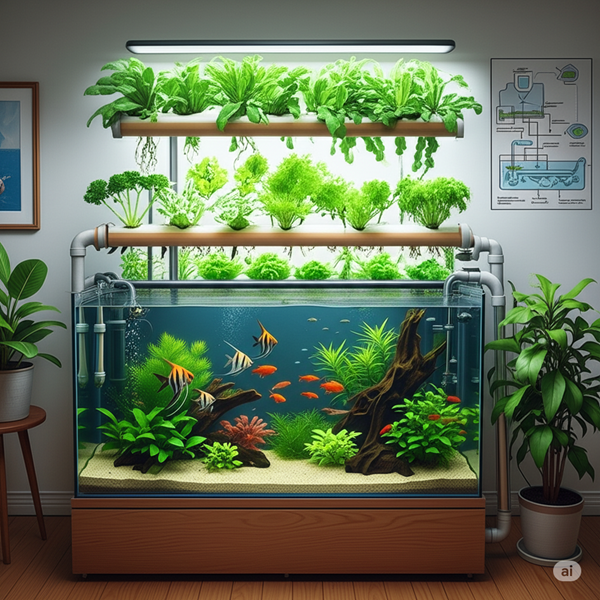
Fish Tank Aquaponics: Turn Your Aquarium Into a Food-Growing Powerhouse
| System Type | Setup Cost | Maintenance | Best For | Fish Options |
| Basic DWC | Low | Easy | Leafy greens, herbs | Goldfish, bettas |
| Media Bed | Medium | Moderate | Root crops, tomatoes | Tilapia, catfish |
| NFT System | High | Complex | Commercial greens | Trout, perch |
| Raft System | Medium | Easy | Large-scale leafy greens | Koi, bluegill |
Understanding Fish Tank Aquaponics Basics
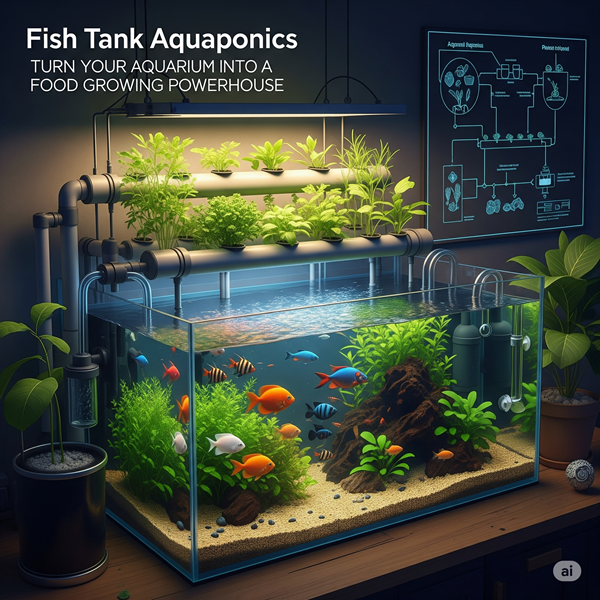
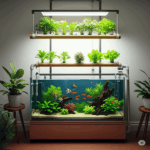
Fish tank aquaponics combines fish farming with plant growing in one closed-loop system. The fish waste provides nutrients for your plants, while the plants clean the water for your fish. It’s like having a mini ecosystem that produces both protein and vegetables.
The magic happens through beneficial bacteria that convert fish waste (ammonia) into nitrites, then nitrates—which plants love to eat. This process, called the nitrogen cycle, is the backbone of every successful aquaponics setup.
You’ll need three main components: a fish tank, a grow bed for plants, and a pump to move water between them. The size can range from a simple 10-gallon desktop setup to massive commercial operations. Most home setups work great with 50-100 gallon systems.
Why Fish Tank Aquaponics Beats Traditional Growing
Setting up an aquaponics system isn’t just about being trendy—it offers real advantages that can transform how you grow food at home.
- Zero soil needed: Perfect for urban spaces, patios, or areas with poor soil quality.
- 90% less water usage: Water recycles through the system instead of running off or evaporating.
- No fertilizers required: Fish waste provides all the nutrients plants need naturally.
- Two harvests from one system: Fresh fish and vegetables from the same setup.
- Faster plant growth: Plants often grow 30-50% faster than soil-based gardens.
- Year-round production: Indoor systems let you grow food regardless of weather.
- Pest reduction: Fewer soil-borne pests and diseases to worry about.
Choosing the Right Fish for Your System
Not all fish work well in aquaponics. You want hardy species that produce good waste, tolerate varying water conditions, and ideally taste good on your dinner plate.
Beginner-friendly fish:
-
- Goldfish: Nearly indestructible, great for learning the basics, but not edible.
- Koi: Beautiful, hardy, and produce lots of waste for plant nutrition.
- Catfish: Fast-growing, delicious, and handle temperature swings well.
Advanced options:
-
- Tilapia: The gold standard for aquaponics—fast-growing, great-tasting, high waste production.
- Trout: Need cooler water but grow quickly and taste amazing. ○ Perch: Native to many areas, good eating, moderate care requirements.
Fish stocking guidelines:
-
- Start with 1 pound of fish per 10 gallons of tank volume
- Add fish gradually over 4-6 weeks as your system matures
- Only feed the fish what they will eat in 5 minutes, twice daily
- Monitor water temperature—most fish prefer 70-78°F
Setting Up Your Growing System
The grow bed is where your plants live and where the magic of nutrient conversion happens. You’ve got several options, each with their own strengths.
Deep Water Culture (DWC): The plants sit in floating rafts with their roots dangling in nutrient-rich water. It’s simple, cheap, and perfect for leafy greens like lettuce, spinach, and herbs. Just make sure to add an air stone to keep the roots oxygenated.
Media bed systems: Plants grow in expanded clay pebbles, gravel, or other growing media. This method works for bigger plants like tomatoes, cucumbers, and peppers because the media supports their root systems better. The media also provides extra surface area for beneficial bacteria.
Nutrient Film Technique (NFT): A thin film of water flows through channels where plants sit in net pots. It’s efficient and looks professional, but it’s more complex to set up and maintain. Great for commercial operations or experienced growers.
Getting the Water Chemistry Right
Water quality makes or breaks your aquaponics system. You’ll need to monitor and adjust several key parameters to keep both fish and plants happy.
pH levels matter most:
- Fish prefer pH between 6.8-7.2
- Plants like it slightly more acidic at 6.0-6.8
- Aim for 6.8-7.0 as a sweet spot for both
- Use pH test kits weekly and adjust with pH up/down solutions
Nitrogen cycle monitoring:
- Ammonia should be 0-0.25 ppm (toxic to fish at higher levels)
- Nitrites should be 0-0.25 ppm (also toxic in large amounts)
- Nitrates can be 5-150 ppm (plant food, but too much stunts growth)
Other important factors:
- Water temperature: 70-78°F for most setups
- Dissolved oxygen: 5+ ppm (add air stones if needed)
- Test water weekly during startup, then monthly once established
Best Plants for Fish Tank Aquaponics
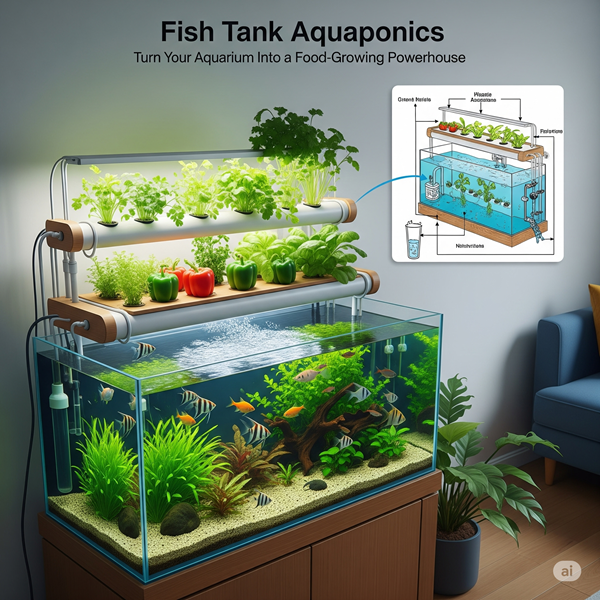
Some plants absolutely thrive in aquaponics systems, while others struggle. Stick with proven winners, especially when you’re starting out.
Easiest plants to grow:
-
- Leafy greens: Lettuce, spinach, kale, arugula—they love the constant water and nutrients.
- Herbs: Basil, cilantro, parsley, mint—grow fast and add flavor to your meals.
- Asian greens: Bok choy, tatsoi, mizuna—handle varying conditions well.
Intermediate options:
-
- Swiss chard, collard greens, watercress
- Green onions, chives, garlic chives
- Strawberry plants (if you have enough light)
Advanced plants (need mature systems):
-
- Tomatoes, peppers, cucumbers
- Eggplant, okra, beans
- Squash and melons (need strong support)
System Maintenance That Actually Works
A well-maintained aquaponics system pretty much runs itself, but you’ll need to stay on top of a few key tasks to prevent problems.
Daily tasks:
-
- Feed fish twice daily (only what they can eat in 5 minutes)
- Check that pumps and air stones are running
- Look for sick fish or plant problems
Weekly tasks:
-
- Test water pH, ammonia, nitrites, and nitrates
- Clean any algae off tank walls or tubes
- Harvest mature plants and remove dead leaves
- Top off water lost to evaporation
Monthly tasks:
-
- Deep clean filters and pump intakes
- Trim back overgrown plants
- Check all plumbing connections for leaks
- Replace air stones if they’re getting clogged
Troubleshooting Common Problems
Even the best systems run into issues. Here’s how to fix the most common problems before they become disasters.
Fish are dying:
-
- Check ammonia and nitrite levels immediately
- Increase aeration with more air stones
- Reduce feeding until water chemistry stabilizes
- Test for chlorine if you’ve added new water
Plants look yellow or stunted:
-
- Check pH—it might be too high or low
- Test nitrate levels—plants need 30-50 ppm to thrive
- Add more fish or increase feeding if nitrates are low
- Check for adequate light (12-14 hours daily for most plants)
Algae taking over:
-
- Reduce light exposure to 8-10 hours daily
- Add more plants to compete for nutrients
- Clean system more frequently
- Consider adding algae-eating fish like plecos
Scaling Up Your Success
Once you’ve mastered a small system, you might want to expand. Here’s how to grow your aquaponics operation without making expensive mistakes.
Start small and expand gradually:
-
- Master a 50-gallon system before jumping to 500 gallons
- Add new components one at a time
- Keep detailed records of what works and what doesn’t
Consider automation:
- Automatic fish feeders for consistent feeding
- Timer-controlled lights for optimal plant growth
- pH controllers to maintain water chemistry automatically
- Backup air pumps in case your main pump fails
Plan for seasonal changes:
- Indoor systems need heating in winter, cooling in summer
- Adjust feeding schedules based on fish activity levels
- Switch to cold-weather crops during winter months
- Consider greenhouse additions for year-round production
Wrap-Up
Fish tank aquaponics combines the best of fish farming and vegetable growing into one incredibly efficient system. With the right setup, proper fish selection, and consistent maintenance, you’ll be harvesting fresh fish and vegetables year-round.
The learning curve is real, but once you get the hang of water chemistry and system balance, aquaponics can produce more food per square foot than traditional gardening while using a fraction of the water. Plus, there’s something deeply satisfying about creating a mini ecosystem that feeds itself.
Start small, be patient with the nitrogen cycle, and don’t be afraid to experiment with different plants and fish combinations. Your dinner table will thank you.
Frequently Asked Questions (FAQs): Aquaponics Systems
Can I use any fish tank for aquaponics?
Most tanks work, but avoid anything under 20 gallons—it’s too small to maintain stable water chemistry.
-
-
Tank size: Tanks smaller than 20 gallons make it difficult to keep water parameters stable, which can stress fish and plants.
-
Material: Glass tanks are commonly used and work well, but food-grade plastic or fiberglass tanks are often better for long-term use because they’re durable, lightweight, and less prone to breaking.
-
Tip: Always use tanks made from materials safe for food and fish. Avoid tanks that once held chemicals or non-food substances.
-
How long before I can start harvesting plants?
Leafy greens can be ready in 4–6 weeks after your system cycles. The nitrogen cycle itself takes 4–6 weeks to establish, so expect about 2–3 months from startup to first harvest.
-
-
Nitrogen cycle: Before adding plants or fish, the system must establish beneficial bacteria that convert fish waste into nutrients for plants. This cycling process usually takes 4–6 weeks.
-
Harvest timeline: Once cycled, fast-growing crops like lettuce or spinach can be ready to harvest in another 4–6 weeks. Total time from setup to first harvest is typically 2–3 months.
-
Other crops: Fruiting plants (like tomatoes or peppers) will take longer to mature, but leafy greens are a great way to start seeing results quickly.
-
What happens if my power goes out?
Fish can survive 4–6 hours without pumps running, but get a battery backup air pump for extended outages. Plants are more forgiving and can handle longer periods without water circulation.
-
-
Short outages: Most fish species can tolerate 4–6 hours without aeration or water movement, especially if the tank isn’t overcrowded.
-
Extended outages: For longer power failures, a battery-powered air pump is highly recommended to keep oxygen levels safe for fish.
-
Plants: Plants can go several hours or even a day or two without water flow, but prolonged outages can stress both fish and plants.
-
Do I need special fish food for aquaponics?
Regular quality fish food works fine. Look for food with 32–45% protein content and minimal fillers.
-
-
Protein: Most aquaponics fish (like tilapia, catfish, or koi) do well on standard commercial fish food with 32–45% protein.
-
Supplements: Some growers add duckweed, black soldier fly larvae, or other natural foods to boost nutrition and reduce costs.
-
Quality: Choose food with minimal fillers and avoid products with excessive corn or wheat, which can pollute the water.
-
Can I eat fish from my aquaponics system?
Absolutely! That’s one of the main benefits.
-
-
Food safety: Only harvest fish that appear healthy and active. Don’t eat fish that seem sick, are lethargic, or have lesions.
-
Preparation: Clean fish thoroughly and follow safe handling practices before cooking.
-
Benefit: Raising your own fish and vegetables provides a sustainable, fresh, and rewarding food source.
-